
Did you ever contemplate why the current concept of work-life balance seems alien to those who worked decades ago?
Isn’t it fascinating that, despite our work being increasingly eased by ever-developing technological tools and gadgets, we find ourselves feeling more burdened by it?
Achieving work-life balance has become more critical than ever. The traditional boundaries between work and personal life are increasingly blurred due to technological advancements, remote work, and societal pressures to achieve more in less time.
This trend has led many to question whether the sacrifices made in the name of career progression and financial stability are worth the cost to mental, emotional, and physical well-being.
Why Work-Life Balance Is Crucial Now
The modern workplace has undergone a seismic shift over the past few decades. Remote work, enabled by the internet and digital tools, has brought unparalleled flexibility but also unprecedented challenges.
As today’s employees, you and I must be familiar with this: being expected to be “always on,” responding to emails late at night or attending meetings across time zones. This culture of constant availability erodes the time needed to rest, recharge, and nurture personal relationships.
Moreover, societal and economic pressures exacerbate the problem. The rising cost of living, coupled with stagnant wages in many industries, compels people to work longer hours just to meet their basic needs. The hustle culture, glorified on social media, perpetuates the idea that relentless work is a virtue.
This leaves little room for introspection, hobbies, or time with loved ones, leading to widespread burnout and dissatisfaction.
Have We Sacrificed Ourselves for Work?
In many ways, society has unwittingly sacrificed itself at the altar of work. We continue to be bombarded with a work ethic which emphasizes hard work and frugality as the primary means of achieving success. While this mindset has driven innovation and economic growth, it has also led to a culture where self-worth is tied to productivity.
This has profound implications for mental health. People feel guilty for taking breaks, going on vacation, or even prioritizing their families over work.
They push themselves to the brink of exhaustion, believing that their efforts will eventually pay off in the form of career advancement or financial security.
However, this often comes at the cost of personal happiness and long-term health.
Work: Fear-Driven, Comfort-Driven, or Passion-Driven?
The motivations behind work vary greatly from person to person. For some, work is fear-driven—a necessity to avoid financial instability or failure. These individuals work out of a sense of obligation.
They do not work from desire. Their efforts are fueled by the fear of falling short. This type of work can be draining, as it often lacks intrinsic satisfaction and feels more like a survival mechanism than a meaningful endeavor.
For others, work is comfort-driven—a way to maintain a certain lifestyle or level of security. These individuals may not necessarily love their jobs, but they find comfort in the stability and routine that work provides. While this can offer a sense of contentment, it may also lead to complacency and a lack of personal growth.
Finally, there are those whose work is passion-driven. These individuals pursue careers that align with their interests and values, finding joy and fulfillment in what they do. However, even passion-driven work can lead to exhaustion. No matter how much someone loves their job, they are still human and require rest and balance.
Passion-driven individuals may be particularly vulnerable to overwork because they blur the lines between their personal and professional identities, making it harder to step away and recharge.
Comparing Passion-Driven and Fear-Driven Work
One key difference between passion-driven and fear-driven work lies in the emotional impact. Passion-driven work can be tiring but fulfilling; it drains energy but also replenishes it through a sense of purpose. Fear-driven work, on the other hand, is often depleting without replenishment. It creates a cycle of stress and anxiety that can feel inescapable.
That said, even passion-driven individuals can experience burnout if they neglect balance. Over time, the joy of pursuing one’s passion can wane if it comes at the expense of other aspects of life.
Conversely, those engaged in fear-driven work may find solace and renewed motivation by incorporating elements of their passions or by setting boundaries that allow for self-care.
Solutions to Restore Balance
Achieving work-life balance requires systemic changes and individual effort. On a systemic level, employers must recognize the importance of employee well-being. Policies such as flexible working hours, mandatory vacation days, and mental health support can go a long way in creating a healthier work environment.
Companies should also discourage the culture of constant availability by setting clear boundaries around work hours.
On an individual level, mindfulness and self-awareness are crucial. People must take stock of their priorities and allocate time accordingly. This might involve setting firm boundaries, such as turning off work notifications after a certain time or dedicating weekends to personal activities. It also means giving oneself permission to rest without guilt.
Finally, society as a whole must shift its values. Instead of glorifying overwork, we should celebrate balance and well-being. Success should be redefined to include not just professional achievements but also personal happiness and health.
Final Thoughts
Work-life balance is not a luxury but a necessity in today’s world. As the lines between work and personal life blur, it becomes ever more important to set boundaries and prioritize well-being. Whether work is fear-driven, comfort-driven, or passion-driven, the risks of overwork and burnout are universal.
By recognizing the importance of balance and taking proactive steps to achieve it, individuals and organizations can create a healthier, more sustainable way of living and working.
Ultimately, true success lies not in how much we accomplish but in how well we live.
This article was originally published on Vocal Media and has been adapted for the blog.
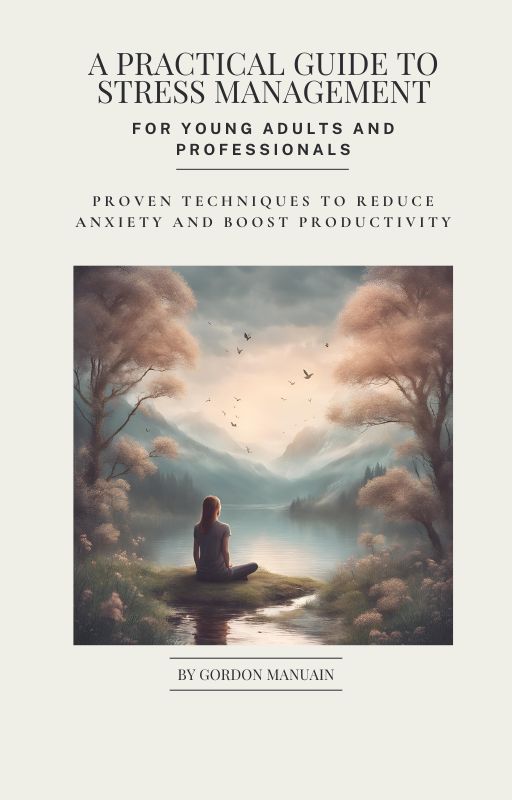
Stay tuned for our upcoming articles, where we’ll dive deeper into simple wellness habits that can transform your daily routine. We’ll also explore more actionable tips to help you thrive in all areas of your life.

 The Balanced Path
I’d love to hear your thoughts! Share your comments below