

Imagine it’s a relaxed Sunday. You’re savoring the calm, yet suddenly your thoughts drift: How sweet, but how short this day is. Your mind starts to wander — Monday looms with its responsibilities and demands. And just like that, stress sneaks in.
Stress. Just the word can make your shoulders tense and your breath shallow. It’s often vilified as the enemy of happiness and health. People chase stress-free lives, dream of peace, and yearn for simplicity.
But here’s the catch: stress is inevitable. And more than that, it’s necessary. Without it, growth stagnates, opportunities pass unnoticed, and resilience withers.
Yet, the fundamental paradox remains: we want to eliminate stress while clinging tightly to the expectations that fuel it. If you’ve ever felt like you’re trapped in this loop, you’re not alone.
The key lies in understanding that stress, much like a double-edged sword, can either empower or overwhelm you depending on how you wield it. Let’s dive into why this happens and how you can turn stress into a tool for growth rather than a source of misery.
The Nature of Stress: Friend or Foe?
Stress is your body’s natural response to challenges. It evolved as a survival mechanism — the classic “fight or flight” mode that keeps you alert and ready for action. But in modern life, stress isn’t just about evading predators. It shows up as deadlines, relationships, financial pressures, and… expectations.
The truth is, stress itself isn’t inherently bad. Research by Dr. Kelly McGonigal, a health psychologist, reveals that how you perceive stress plays a pivotal role in its impact. People who view stress as harmful tend to experience more negative health outcomes.
Conversely, those who see it as a challenge or opportunity for growth fare much better — both physically and mentally. Watch Kelly McGonigal’s TED Talk on Making Stress Your Friend.
The Great Paradox: Expectations Beget Stress
Here’s where it gets tricky: much of the stress we face stems not from the circumstances themselves but from our expectations of how life should be.
We expect:
- Perfect relationships free from conflict.
- Career trajectories that always go up, never sideways.
- Days filled with productivity, yet with time left over for relaxation.
When reality doesn’t align with these cherished ideals, stress strikes. But the paradox runs deeper. Even as we desire a stress-free existence, we resist letting go of these expectations.
Why? Because they give us a sense of control and identity. Without them, life feels uncertain, and uncertainty, for many, is far more terrifying than stress.
Reframing Stress: A New Perspective
The good news? You don’t have to banish stress to find peace. Instead, you can learn to embrace it and shift your relationship with it. Here are evidence-based insights and actionable tips to help you get started:
1. Change Your Mindset About Stress
Simply reframing how you think about stress can alter its effects on your body. Instead of seeing stress as a sign of failure or inadequacy, view it as a signal that you’re stretching beyond your comfort zone. When your heart races before a presentation, remind yourself: This is my body preparing me to perform.
2. Examine Your Expectations
Ask yourself: What am I expecting in this situation? and Is this expectation realistic? Often, you’ll find that your stress comes from rigid ideas of how things should unfold. Practice flexibility. For example, instead of expecting a flawless project outcome, focus on learning and growth, even if mistakes happen.
3. Practice Stress-Inducing Habits on Purpose
This might sound counterintuitive, but small doses of stress can make you more resilient. Activities like cold showers, intense exercise, or trying something completely new introduce “good stress” that strengthens your mental and physical stamina.
4. Adopt a “Both/And” Approach
Life is rarely all good or all bad. Stressful situations often carry opportunities for growth. For instance, a demanding work project might push you to develop new skills. Practice holding two truths: This is hard, and it’s helping me grow. This mindset reduces resistance and helps you focus on the benefits.
5. Prioritize Recovery
Growth through stress is only possible when paired with intentional recovery. Think of athletes: they push their bodies to the limit, but they also prioritize rest, nutrition, and relaxation. Apply the same principle to your mind. Schedule breaks, prioritize sleep, and engage in activities that replenish your energy, like mindfulness or time in nature.
Real-Life Applications
Let’s put this into perspective with an example. Imagine you’re planning a big event. You want it to be perfect, but things start going awry — a vendor cancels, the weather turns gloomy, and your stress skyrockets. Here’s how you could approach it:
- Reframe the stress: Instead of thinking, This is a disaster, tell yourself, This is an opportunity to practice problem-solving and adaptability.
- Examine expectations: Ask yourself, Is perfection necessary? Could a slightly imperfect event still be meaningful?
- Introduce recovery: After handling the issues, take a walk or meditate to reset your nervous system.
Embracing the Growth Edge
The irony of life is that the very stress we fear often contains the seeds of our growth. Without stress, there is no challenge, and without challenge, there is no evolution. But the choice is yours: will you let stress control you, or will you learn to navigate it with grace?
By shifting your mindset, reevaluating your expectations, and balancing stress with recovery, you can transform it from a burden into a tool for self-improvement. Stress isn’t the enemy — your resistance to it is. The next time stress knocks on your door, greet it with curiosity and ask: What can I learn from this?
And remember, life’s most beautiful moments often emerge from its most challenging ones.
Embrace the paradox, and you’ll find that stress is not just about survival but, more than that, something that our deeper self values for our own growth and transformation.
This article was originally published on Medium.
Stay tuned for our upcoming articles, where we’ll dive deeper into simple wellness habits that can transform your daily routine. We’ll also explore more actionable tips to help you thrive in all areas of your life.


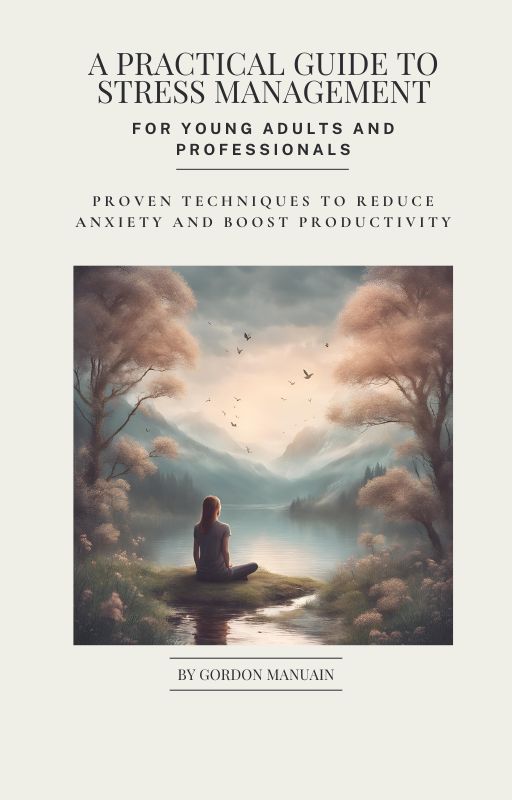
 The Balanced Path
I’d love to hear your thoughts! Share your comments below